December 3, 2025
When homeowners think about their roof, they usually picture shingles, metal panels, or tiles. But one of the most important parts of a roofing system is completely hidden: the underlayment. This protective layer plays a critical role in preventing leaks, extending roof life, and safeguarding your home from moisture damage.
In this guide, we’ll explain what roof underlayment is, why it matters, the different types available, and how it protects your home year-round.
What Is Roof Underlayment?
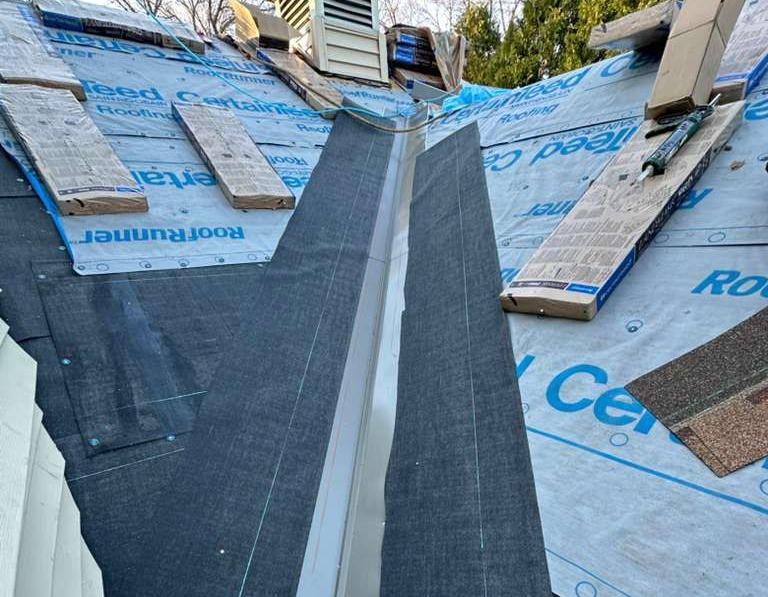
Roof underlayment is a water-resistant or waterproof barrier installed directly onto the roof deck before shingles or other roofing materials are applied. It acts as a second line of defense between your home and the elements.
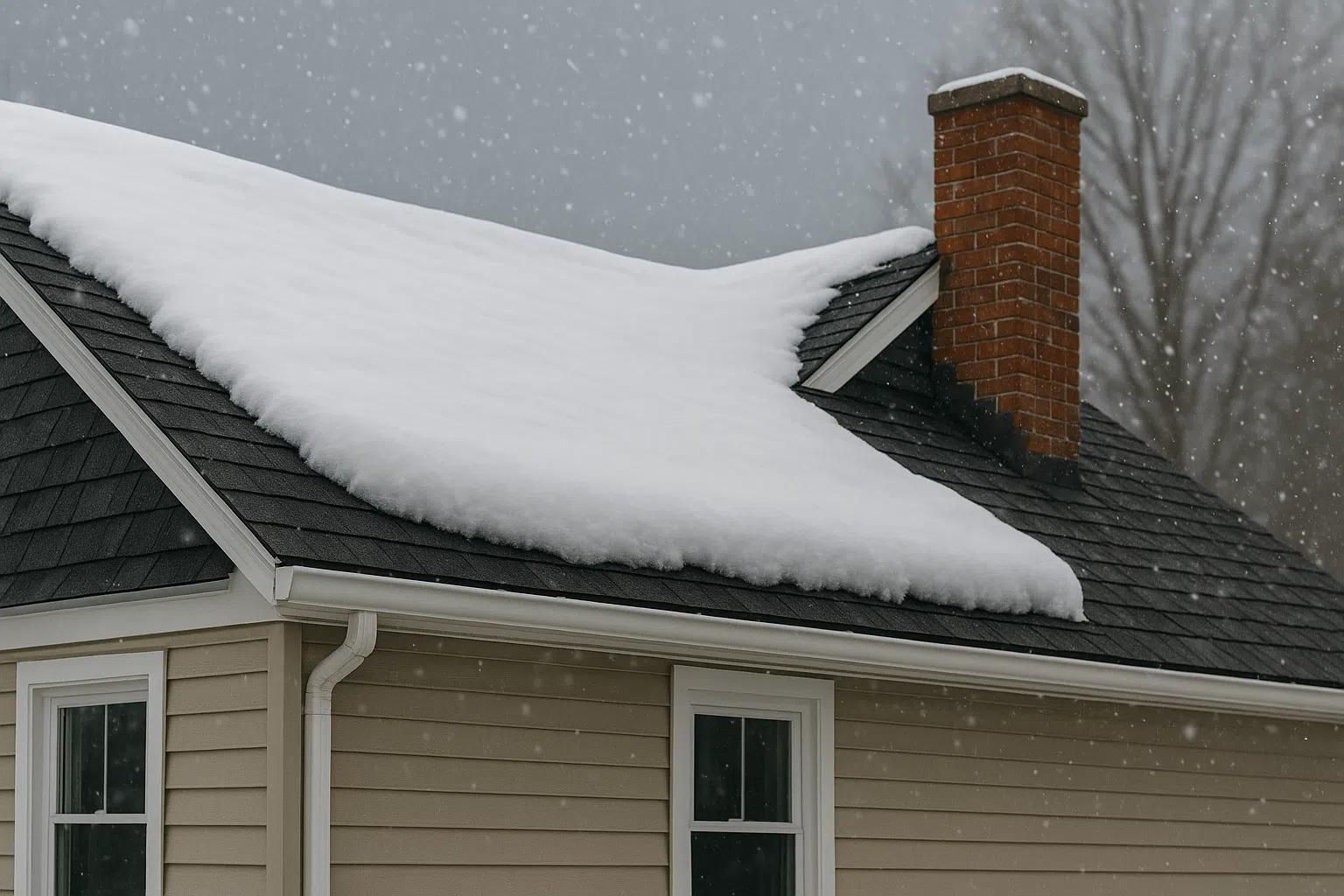
If wind-driven rain sneaks under your shingles, or if ice dams form in winter, the underlayment is what prevents that moisture from reaching your plywood and framing.
Why Underlayment Is Essential for Your Roof
Even the highest-quality shingles are not meant to be fully waterproof on their own. Underlayment provides critical protection by:
- Blocking moisture from penetrating the roof deck
- Preventing small leaks from becoming major interior damage
- Protecting the roof during installation before shingles are installed
- Acting as backup protection if shingles crack, lift, or blow off
- Reducing the risk of mold, rot, and structural deterioration
Without proper underlayment, a roof becomes highly vulnerable to water intrusion and premature failure.
Types of Roof Underlayment
Not all underlayment is the same. Choosing the right type depends on your budget, roof design, and climate.
1. Asphalt-Saturated Felt (Felt Paper)
This is the traditional underlayment used for decades. It comes in 15-pound and 30-pound options.
Pros:
- Affordable
- Widely available
- Works well for standard shingle roofs
Cons:
- Can tear easily
- Absorbs moisture
- Shorter lifespan than modern options
2. Synthetic Underlayment
Made from polypropylene or polyester, this is the most common choice for modern roofing systems.
Pros:
- Extremely durable
- Lightweight
- Water-resistant
- UV resistant
- Long lifespan
Cons:
- Costs more than felt
- Must be installed correctly to perform properly
3. Self-Adhered Ice & Water Shield
This peel-and-stick membrane is used in critical areas such as eaves, valleys, chimneys, skylights, and around penetrations.
Pros:
- Fully waterproof
- Seals around nails
- Excellent for ice dams and heavy rain protection
Cons:
- Higher cost
- Not always used on the entire roof due to expense
How Underlayment Protects Your Home
Underlayment plays multiple protective roles that homeowners never see but constantly benefit from.
Moisture Protection
It prevents water from seeping into your plywood during heavy rain, windstorms, or snow buildup.
Leak Backup System
If shingles fail, crack, or get blown off, underlayment continues to protect your home until repairs are made.
Ice Dam Defense
In cold climates, ice dams can force water back up under shingles. Ice & water shield underlayment stops that water from entering your home.
Structural Preservation
By preventing repeated moisture exposure, underlayment protects your roof decking, rafters, insulation, and ceilings from rot and mold.
What Happens When Underlayment Fails?
If underlayment is damaged, improperly installed, or missing altogether, your roof is significantly more likely to fail early. Common consequences include:
- Interior leaks
- Water-stained ceilings
- Mold growth
- Rotted plywood decking
- Expensive structural repairs
Even a brand-new roof can leak if the underlayment is poorly installed.
Is Underlayment Required by Code?
In almost all building jurisdictions, roof underlayment is required by code. However, the type and amount may vary based on:
- Roof slope
- Climate
- Roofing material
- Local building regulations
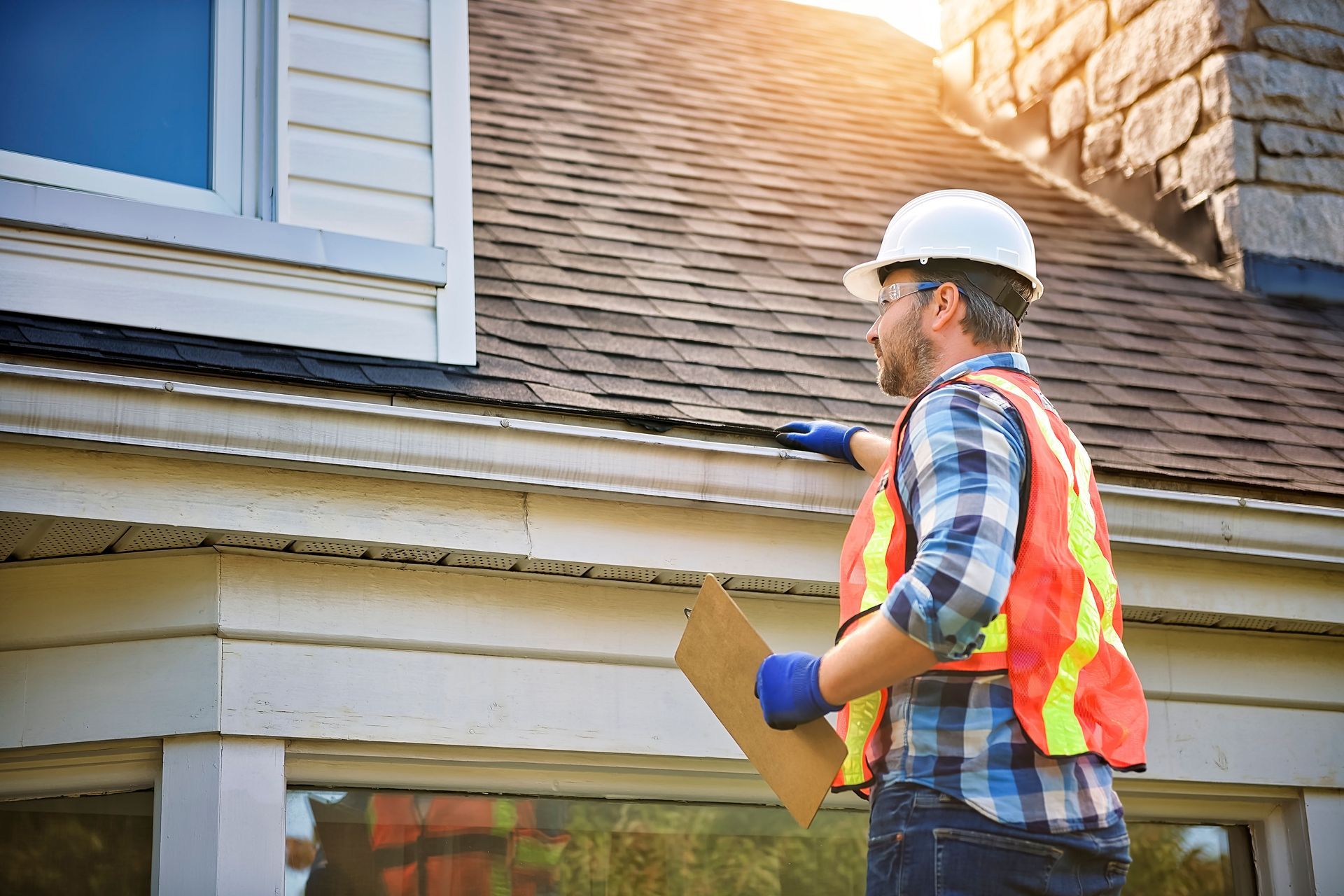
A professional roofing contractor ensures your roof meets or exceeds all local building code requirements.
When Should Underlayment Be Replaced?
Underlayment should always be replaced when:
- You are getting a full roof replacement
- There is water damage to the roof deck
- There are signs of mold or rot
- It has deteriorated due to age
Installing new shingles over damaged underlayment is a recipe for future leaks.
Why Professional Installation Matters
Underlayment must be installed with precise overlap, fastening patterns, and sealing at seams and penetrations. Mistakes during installation can lead to water intrusion even with brand-new materials.
A professional roofer ensures:
- Proper overlap and fastening
- Correct material selection
- Extra protection in high-risk areas
- Long-term watertight performance
Protect Your Roof from the Inside Out
Underlayment may be hidden, but it is one of the most important components of your roof system. It protects your home during storms, extends the life of your roof, and prevents costly structural damage that many homeowners never see until it’s too late.
If you’re planning a roof replacement or have concerns about hidden water damage, Affordable Roofing can perform a professional inspection and ensure your roof has the protection it needs at every layer.
Contact Affordable Roofing today to schedule your free roof evaluation and protect your home from the inside out.